

Alcoholic Flavors Market US$10.7 Bn by 2033 Driven by Premiumization and Craft Beverage Demand
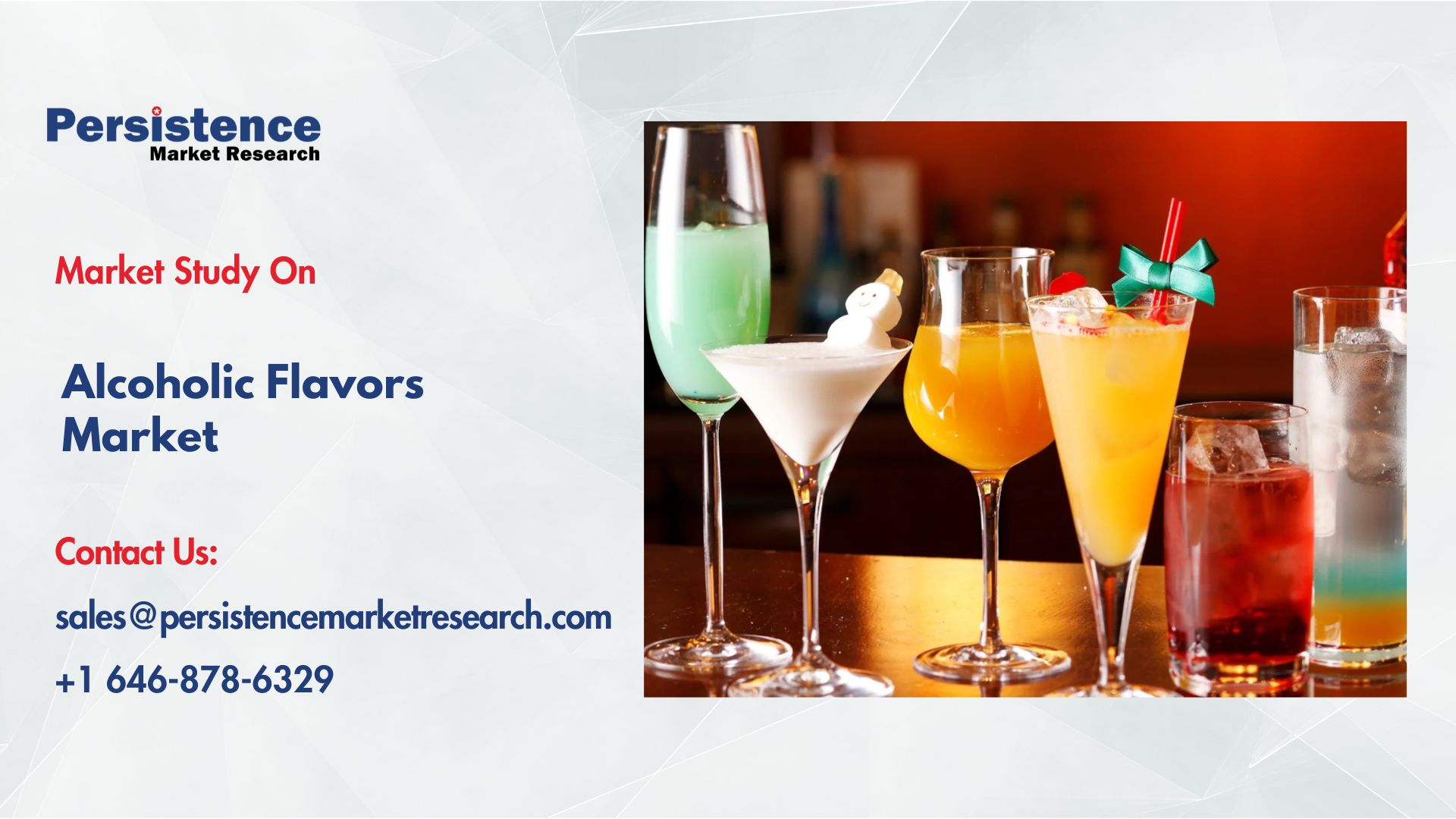
BRENTFORD, ENGLAND, UNITED KINGDOM, January 19, 2026 /EINPresswire.com/ -- The global alcoholic flavors market is anticipated to register steady growth over the forecast period, supported by rising innovation in the food and beverage industry, increasing consumer demand for premium and experiential products, and the growing popularity of alcohol-inspired taste profiles in both alcoholic and non-alcoholic applications. The market is estimated to grow from US$ 7.8 billion in 2026 to US$ 10.7 billion by 2033, reflecting a compound annual growth rate (CAGR) of 4.6% during the forecast period from 2026 to 2033.
Alcoholic flavors are widely used to replicate or enhance the taste profiles of beer, wine, spirits, and liqueurs without necessarily contributing alcohol content. These flavors play a critical role in product formulation across beverages, confectionery, bakery, dairy, and frozen desserts. Their ability to deliver authentic taste experiences while offering formulation flexibility has made them increasingly attractive to manufacturers seeking differentiation in competitive consumer markets.
Growth in the alcoholic flavors market is further supported by the expansion of ready-to-drink (RTD) beverages, the premiumization trend across food and beverage categories, and the growing acceptance of alcohol-free and low-alcohol products that retain traditional flavor complexity. As consumer palates evolve and experimentation becomes mainstream, alcoholic flavors are emerging as a key ingredient segment enabling innovation and brand storytelling.
Get Your FREE Sample Report Instantly – Click Now: https://www.persistencemarketresearch.com/samples/35931
Key Drivers Supporting Market Expansion
One of the primary factors driving the alcoholic flavors market is the increasing demand for premium and craft-style beverages. Consumers are increasingly seeking sophisticated flavor profiles inspired by aged spirits, barrel finishes, and regional alcohol varieties. Alcoholic flavors enable manufacturers to deliver these nuanced taste experiences consistently, while managing production costs and regulatory requirements.
Another major growth driver is the rising popularity of non-alcoholic and low-alcohol beverages. Health-conscious consumers and changing social attitudes toward alcohol consumption have led to a surge in demand for alcohol-free alternatives that closely mimic the taste of traditional alcoholic drinks. Alcoholic flavors allow beverage producers to replicate the sensory characteristics of spirits, beer, and wine without alcohol content, expanding their addressable consumer base.
Additionally, the growing use of alcoholic flavors in confectionery, bakery, and dairy products is contributing to market growth. Products such as rum-flavored chocolates, whiskey-infused desserts, and wine-inspired sauces are gaining traction, particularly in premium and seasonal offerings. These applications benefit from alcoholic flavors’ ability to provide depth and authenticity without compromising shelf life or safety.
Segmentation Analysis
By Flavor Profile
• Fruit Flavors
• Botanical & Herbal
• Sweet & Dessert
• Spice Flavors
• Others
By Nature
• Natural
• Synthetic
By End-user
• Spirits & Liqueurs
• Beer & Malt Beverages
• Wine & Wine-Based Beverages
• Cider
• RTD Cocktails
• Hard Seltzers
Need Tailored Insights? Request Customization Now: https://www.persistencemarketresearch.com/request-customization/35931
Regional Insights
Key Regional Markets
From a regional perspective, North America holds a leading position in the global alcoholic flavors market, supported by a mature food and beverage industry, strong demand for premium products, and a high level of product innovation. The United States, in particular, represents a major consumption hub, driven by the popularity of craft beverages, RTD cocktails, and alcohol-free alternatives.
Europe also accounts for a substantial share of the market, benefiting from a long-standing tradition of alcoholic beverages, sophisticated consumer preferences, and strong demand for wine and spirits-inspired flavors. Countries such as Germany, France, the United Kingdom, and Italy play a pivotal role in shaping flavor trends and premium applications.
Fastest-Growing Region
The Asia Pacific region is expected to register the fastest growth during the forecast period, driven by rapid urbanization, rising disposable incomes, and increasing exposure to Western-style food and beverage products. Growing interest in premium desserts, flavored beverages, and experimental taste profiles is fueling demand for alcoholic flavors across emerging markets such as China, India, and Southeast Asia. Expanding manufacturing capabilities and investments by global flavor companies are further accelerating regional market growth.
Unique Features and Innovations in the Market
The alcoholic flavors market is characterized by continuous innovation aimed at improving authenticity, stability, and sensory impact. Modern flavor solutions are designed to replicate complex alcohol notes such as aging, oak, smoke, and fermentation characteristics with high precision. This allows manufacturers to deliver consistent taste profiles across large-scale production while reducing dependency on traditional alcohol inputs.
Market Highlights
The growing adoption of alcoholic flavors is driven by their ability to deliver premium sensory experiences, enable product differentiation, and support innovation across multiple categories. For manufacturers, these flavors offer flexibility in formulation, cost efficiency, and compliance with varying alcohol regulations across regions.
Regulatory considerations are also shaping market dynamics. Clear labeling requirements, restrictions on alcohol content, and food safety standards are encouraging the use of alcoholic flavors as controlled and compliant alternatives to traditional alcohol ingredients. Sustainability is emerging as another important factor, with companies focusing on responsible sourcing, clean-label formulations, and reduced environmental impact.
Cost optimization remains a key benefit, as alcoholic flavors help manufacturers manage price volatility associated with raw alcohol inputs while maintaining consistent product quality. These factors collectively reinforce the long-term attractiveness of alcoholic flavors across global food and beverage markets.
Secure Your Full Report – Proceed to Checkout: https://www.persistencemarketresearch.com/checkout/35931
Key Players and Competitive Landscape
• Givaudan
• IFF
• Symrise
• Kerry Group
• DSM-Firmenich
• Synergy
• Sensient Technologies
• Mane SA
• Takasago International Corporation
• T. Hasegawa
• Döhler
• Prova
Explore the Latest Trending Research Reports:
Invert Sugar Syrups Market Opportunities: The invert sugar syrups or invert sugars are chemically made up of a mixture of glucose and fructose. These products are known to have greater digestibility than the commonly used table sugar.
Cardamom Essential Oil Market Opportunities: Cardamom Essential Oil is one kind of oil that is extracted from the seeds of Cardamom which is also known as Elettaria Cardamomum.
Aishwarya Doiphode
Persistence Market Research
+1 646-878-6329
email us here
Visit us on social media:
LinkedIn
Instagram
Facebook
YouTube
X
Legal Disclaimer:
EIN Presswire provides this news content "as is" without warranty of any kind. We do not accept any responsibility or liability for the accuracy, content, images, videos, licenses, completeness, legality, or reliability of the information contained in this article. If you have any complaints or copyright issues related to this article, kindly contact the author above.
